The global impact of African electronic music has surged, presenting new listeners with a vibrant, yet often overwhelming, landscape of sounds and artists. For those just beginning to explore the rich tapestry woven by African DJs, the sheer volume of genres, regional styles, and individual creative voices can make initial discovery challenging. This checklist provides a structured approach, guiding new fans through the essential elements of understanding, appreciating, and engaging with the diverse world of African DJ culture. It focuses on practical steps to navigate this dynamic scene, moving beyond surface-level exposure to foster a deeper connection with the music.
Understanding the Soundscapes
African electronic music is not monolithic; it encompasses a wide spectrum of styles, each with its own history, regional origins, and sonic characteristics. Recognizing these foundational differences is key to appreciating the depth of the scene.
Regional Styles and Rhythms
Different regions and countries have cultivated distinct electronic music genres, often blending traditional rhythms and instrumentation with modern production techniques. For instance, South Africa is a hub for several influential styles. Amapiano, characterized by its deep log drum basslines, jazzy piano chords, and percussive shakers, emerged from townships and has achieved significant global traction. Gqom, another South African export, offers a darker, more minimalistic, and percussive sound, often built around repetitive synth lines and heavy bass. Meanwhile, Afro House, a broader category, integrates traditional African vocals and instruments with house music structures, creating a soulful, often spiritual, dancefloor experience found across the continent.
Beyond South Africa, genres like Ghanaian Asakaa, Nigerian Afrobeats (which often features DJ remixes and electronic elements), and various forms of Afro-tech from East and West Africa contribute to the continent's sonic diversity. Each genre carries specific rhythmic signatures and melodic approaches that inform a DJ's track selection and mixing style. Understanding these regional nuances allows new fans to identify specific sonic palettes and trace their origins.
Key Elements of African DJ Sets
While styles vary, several common threads run through many African DJ sets. Percussion often forms the backbone, drawing from traditional polyrhythms to create intricate, driving grooves. Melodic complexity, frequently incorporating call-and-response patterns or layered synth lines, provides emotional depth. Vocal samples, whether live or pre-recorded, often add narrative or spiritual elements, connecting the electronic sound to cultural heritage. A DJ's skill often lies in their ability to weave these elements into a cohesive, energetic journey that respects both the traditional roots and contemporary evolution of the music.
Discovering Artists and Tracks
Effective discovery requires moving beyond algorithmic suggestions and engaging with curated sources and active listening techniques.
Curated Playlists and Mixes
Start your exploration with curated playlists from reputable music platforms or dedicated online radio stations that specialize in African electronic music. Many DJs and producers release extended mixes on audio-sharing sites, offering a continuous journey through their selections and mixing capabilities. These mixes often serve as excellent entry points, showcasing a DJ's taste and introducing listeners to a range of new tracks and artists within a specific genre or mood. Finding the best afrobeats playlists can further enhance your listening experience.
Identifying Signature Sounds
As you listen, pay attention to recurring sonic motifs, production styles, or vocalists that resonate. Many prominent African DJs have a distinct "sound" or a preferred set of collaborators. For example, some DJs are known for their deep, soulful selections, while others lean into high-energy, percussive sets. Identifying these signature elements helps in recognizing a DJ's unique contribution and guides further exploration into their discography or similar artists. This active listening approach moves beyond passive consumption, fostering a more informed appreciation.
When listening to a DJ set, consider these aspects:
- Track Selection: Does the DJ introduce you to new, compelling music? Is there a balance between familiar and unexpected tracks?
- Mixing Technique: How smoothly do transitions occur? Are there creative blends, loops, or effects used to enhance the flow?
- Energy Arc: Does the set build and release tension effectively? Does it tell a story or evoke a specific mood from start to finish?
- Genre Cohesion: While diverse, does the set maintain a consistent sonic identity or explore different but complementary styles?
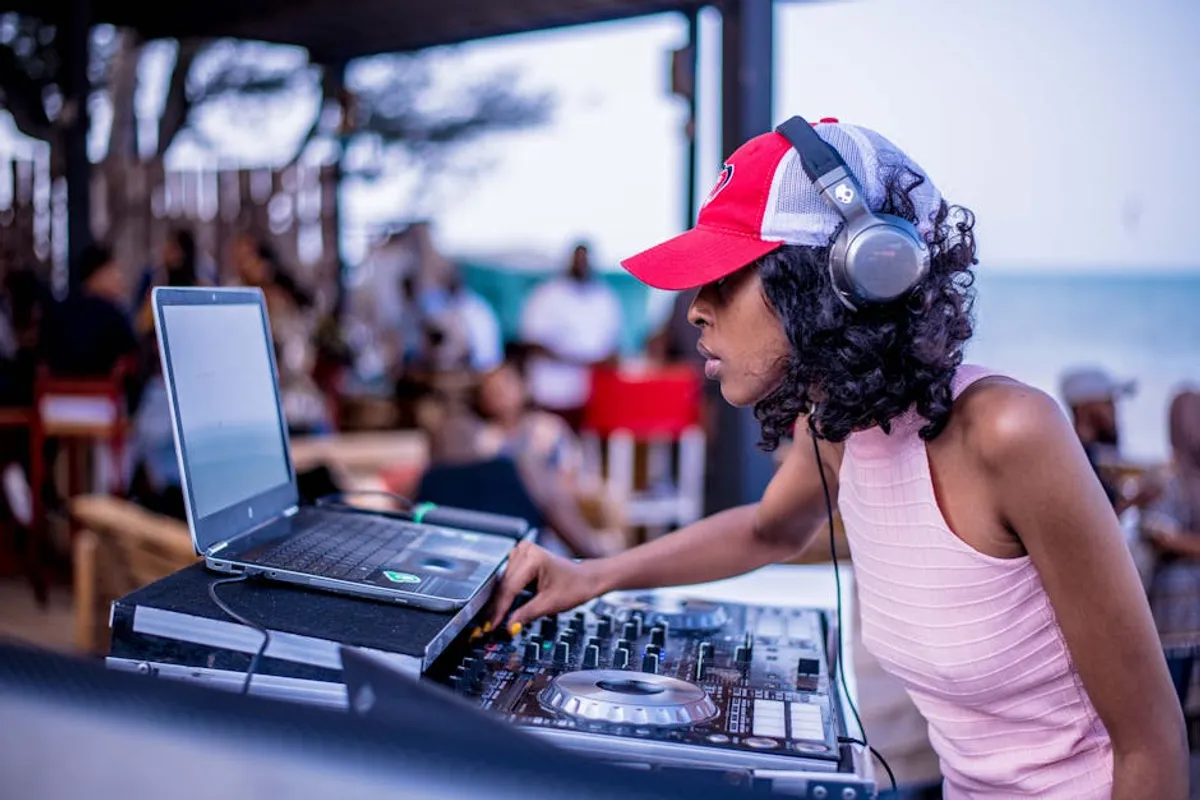
- Crowd Engagement (if live): How does the DJ respond to and interact with the audience's energy?
Engaging with the Scene
Music is a communal experience, and connecting with the African DJ scene extends beyond listening to recordings.
Live Performances and Festivals
Experiencing African DJs live offers an unparalleled immersion into the culture. The energy of a crowd, the power of a sound system, and the spontaneity of a live mix provide context and depth that studio recordings cannot fully replicate. Look for local club nights, cultural events, or international festivals that feature African electronic artists. Many major festivals now include dedicated stages or lineups showcasing this music, providing opportunities to witness multiple DJs in a single setting.
Online Communities and Forums
Digital spaces serve as vital hubs for discussion, discovery, and connection within the African electronic music community. Online forums, social media groups, and dedicated music blogs often host conversations about new releases, emerging artists, and historical context. Engaging with these communities can provide insider perspectives, track IDs, and recommendations that might not be available through mainstream channels. It's a direct way to tap into the collective knowledge and passion of established fans.
Pro Tip: When exploring new DJs or genres, don't just passively listen. Actively research the artists mentioned in mixes or playlists. Look up their discographies, interviews, and social media. This deeper dive often reveals connections to other artists, labels, and sub-genres, rapidly expanding your understanding and discovery pipeline.
Building Your Personal Collection
Moving from casual listener to dedicated fan often involves curating a personal library of tracks and understanding the ecosystem behind the music.
Essential Tracks for a Starter Library
Begin by identifying tracks that consistently resonate with you across different DJ sets or playlists. Focus on acquiring foundational tracks within the genres you enjoy most. This might include early examples of Amapiano, seminal Afro House anthems, or influential Gqom cuts. Building a collection allows for deeper appreciation of production quality, lyrical content, and the evolution of a genre. Many online music stores and artist platforms offer high-quality digital downloads, supporting artists directly.
Exploring Labels and Producers
Beyond individual DJs, pay attention to the record labels and producers who consistently release music you enjoy. Labels often curate a specific sound or aesthetic, acting as tastemakers and incubators for new talent. Following a label's releases can be an efficient way to discover new artists who align with your preferences. Similarly, understanding the work of key producers who shape the sound of a genre can lead to a richer appreciation of the music's underlying creative forces.
Navigating the African DJ Scene: Your Next Steps
The journey into African electronic music is one of continuous discovery. This checklist provides a framework, but its effectiveness depends on your active engagement. Prioritize listening with an open mind, exploring beyond your initial comfort zones, and connecting with the vibrant communities that celebrate this art form. The depth and innovation present within African DJ culture offer endless opportunities for sonic exploration and cultural enrichment. Let curiosity guide your path, and allow the rhythms to lead you to new favorites and deeper understandings.
Frequently Asked Questions
What is the difference between Afro House and Amapiano?
Afro House is a broader genre blending traditional African sounds with house music, often featuring soulful vocals and organic instrumentation. Amapiano is a specific sub-genre of house music originating from South Africa, characterized by its distinct log drum bassline, jazzy piano melodies, and often a slower tempo.
How can I find live performances of African DJs in my area?
Check local club listings, event aggregators, and festival lineups for "Afro House," "Amapiano," or "African electronic music" events. Following your favorite DJs and labels on social media also provides direct updates on their tour schedules and appearances.
Are there specific online platforms best for discovering new African DJ mixes?
Platforms dedicated to DJ mixes and electronic music are excellent resources. Many artists and labels also host their mixes directly on their official websites or channel pages. Exploring these sites often yields exclusive content and early releases.
What is the best way to support African DJs and producers directly?
Purchasing their music directly from artist pages or independent music stores, attending their live performances, and sharing their work on social media are effective ways to provide direct support. Engaging with their content and leaving positive feedback also contributes significantly.