Becoming an African DJ involves more than just playing music; it means understanding diverse cultural rhythms, connecting with local scenes, and mastering the technical skills to bring those sounds to life. This guide outlines the foundational steps for aspiring DJs, focusing on the unique context and opportunities within Africa's rich musical landscape. The journey from enthusiast to performing DJ requires deliberate practice, informed gear choices, and a deep appreciation for the continent's sonic heritage. Success hinges on a blend of technical proficiency and cultural resonance, allowing you to curate experiences that move audiences.
Understanding the African Music Landscape
Africa is a continent of unparalleled musical diversity, and a successful DJ must grasp the breadth of its genres. Beyond globally recognized Afrobeats, explore regional sounds like Amapiano from South Africa, Gqom, Gengetone from Kenya, Bongo Flava from Tanzania, Highlife from Ghana, and countless traditional and contemporary fusions. Each genre carries specific rhythmic structures, tempos, and cultural narratives. Understanding these nuances allows for authentic and engaging sets that resonate with diverse audiences.
Best for: Building a culturally informed and unique DJ identity. Deep dive into local scenes to discover emerging artists and sub-genres often overlooked by mainstream platforms.
Essential DJ Gear for Beginners
Starting your DJ career doesn't require a massive investment, but careful selection of core equipment is crucial. Prioritize functionality and reliability over excessive features.
DJ Controllers
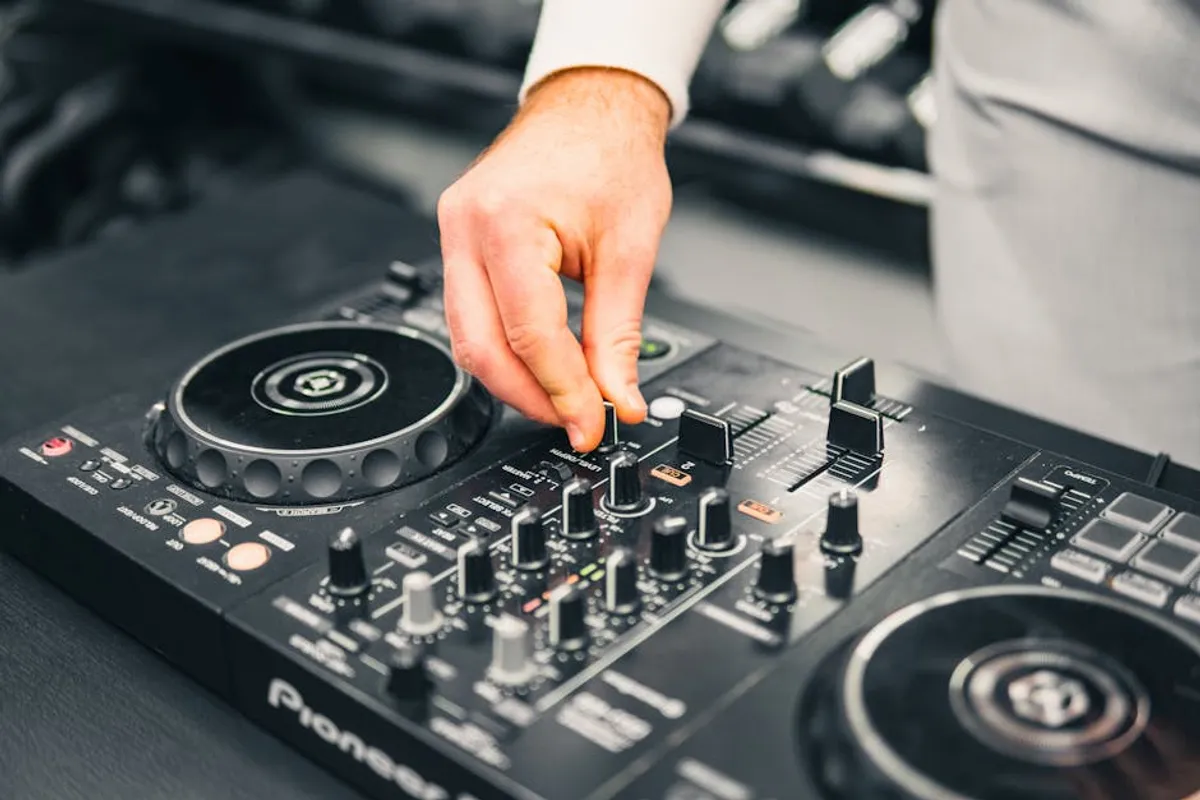
Entry-level controllers offer a cost-effective way to learn the basics. These units typically connect to a laptop running DJ software and provide tactile control over mixing functions. Look for models with two jog wheels, faders, and performance pads. Popular brands offer robust beginner options that integrate seamlessly with their proprietary software.
- Functionality: Controls two virtual decks, basic EQ, effects, and looping.
- Connectivity: USB to laptop, RCA outputs for speakers, headphone jack.
- Consideration: Portability for practice sessions and early gigs.
Headphones
Invest in closed-back, over-ear headphones with good sound isolation. This allows you to accurately monitor your next track without interference from the main speaker output. Durability and comfort for long sessions are also key.
Key features: High impedance for clear sound, swiveling earcups for single-ear monitoring, robust build quality.
Speakers
For home practice, a pair of active monitor speakers provides accurate sound reproduction. For small gigs, consider a portable PA system or active speakers with sufficient wattage. Ensure your speakers have appropriate inputs (RCA, XLR) to connect to your controller.
Warning: Avoid using consumer-grade Bluetooth speakers for practice; they often introduce latency and lack the frequency response needed for accurate mixing.
Laptop and Software
A reliable laptop with sufficient processing power and RAM is essential. DJ software like Serato DJ Lite, Rekordbox, or Virtual DJ provides the interface for mixing. Many entry-level controllers come bundled with a lite version of software, allowing you to start immediately.
Software choice: Research which software is prevalent in your target scene, as this can influence hardware compatibility and ease of collaboration.
Building Your African Music Library
Curating a diverse and high-quality music library is fundamental. Focus on legal and high-fidelity sources to ensure professional sound quality.
Sourcing Music:
- Online Stores: Platforms like Traxsource, Beatport, and Bandcamp offer vast catalogs, including specific African music sections.
- Regional Platforms: Explore local music streaming services or digital distribution platforms that cater specifically to African artists.
- Direct from Artists: Connect with local musicians and producers to acquire tracks directly, often providing unique content and supporting the local scene.
- Record Pools: Some DJ record pools offer curated selections, including African genres, for a subscription fee.
Organization: Implement a consistent folder structure and use metadata (artist, title, genre, BPM, key) to tag your tracks. This streamlines track selection during live sets and practice.
Mastering Basic DJ Techniques
Proficiency in core mixing techniques forms the backbone of any DJ set.
Beatmatching
This involves synchronizing the tempo (BPM) and phase (beat alignment) of two tracks. While sync buttons can assist, learning to beatmatch by ear is a crucial skill that builds a deeper understanding of rhythm and timing.
Phrasing
Aligning the musical phrases of two tracks ensures smooth transitions. Most electronic music is structured in 8, 16, or 32-beat phrases. Mixing at the start or end of a phrase creates a more musical blend.
EQing and Filtering
Use the equalizer (bass, mids, highs) to create space for the incoming track and prevent frequency clashes. Filters can be used creatively to introduce or remove elements gradually, building tension or creating dramatic sweeps.
Transitions
Experiment with different transition types:
- Cut: Instant switch between tracks.
- Fade: Gradually decreasing one track's volume while increasing another's.
- Blend: A longer, more intricate mix using EQ, effects, and beatmatching to seamlessly merge two tracks.
Practice these techniques until they become second nature, allowing you to focus on track selection and crowd engagement.
Practice, Performance, and Networking
Consistent practice is non-negotiable. Dedicate time daily to experimenting with your gear and music. Record your practice sessions and critically listen back to identify areas for improvement.
Getting Gigs: Start small. Offer to play at private parties, local cafes, or community events. Build a demo mix showcasing your style and genre expertise. Attend local music events, network with other DJs, promoters, and venue owners. In Africa, word-of-mouth and personal connections are often paramount.
Online Presence: Utilize social media platforms to share mixes, promote events, and connect with your audience. Platforms like SoundCloud and Mixcloud are excellent for hosting your sets and reaching a wider audience.
Your Path Forward as an African DJ
The journey to becoming a proficient African DJ is iterative, combining technical skill with cultural immersion. Focus on building a unique sound that reflects your understanding of Africa's diverse musical heritage. Consistent practice, strategic networking within local and regional music communities, and a commitment to continuous learning will define your progress. Embrace the opportunity to contribute to and shape the vibrant soundscape of African music.
Frequently Asked Questions
What is the best DJ software for beginners?
Serato DJ Lite, Rekordbox (Performance mode), and Virtual DJ are excellent starting points. Many entry-level controllers include a license for one of these, allowing immediate practice.
How do I find African music for my DJ sets?
Explore online music stores like Bandcamp and Traxsource for genre-specific sections. Engage with local artists and producers, and investigate regional streaming platforms to discover emerging sounds.
Do I need expensive gear to start DJing?
No, you can begin with an affordable entry-level controller, decent headphones, and a laptop. Focus on mastering the fundamentals before investing in professional-grade equipment.
How important is networking for a beginner DJ in Africa?
Networking is crucial. Attend local music events, connect with other DJs, promoters, and venue owners. Personal connections and word-of-mouth referrals often lead to early opportunities.