An italic font generator offers a distinct way to style text, particularly for platforms that lack native rich text formatting options. Unlike traditional font files that change the typeface across an entire document, these generators convert standard alphanumeric characters into their Unicode italicized equivalents. This distinction is crucial for marketers, content creators, and social media managers who aim to add visual emphasis or differentiate text in environments like social media bios, ad copy, or plain text messages where direct HTML or CSS styling is unavailable. Understanding its underlying mechanism, commercial applications, and inherent limitations is essential for effective and strategic deployment.
What an Italic Font Generator Is
An italic font generator is an online tool or script that takes standard text input and outputs a sequence of Unicode characters designed to visually resemble italicized text. It does not create or embed new font files (like.ttf or.otf) into your content. Instead, it leverages the vast library of Unicode, which includes specific character sets for various mathematical and stylistic alphanumerics. For instance, while a web browser might render text with font-style: italic; or an <em> tag, many platforms, especially social media, strip this formatting. The generator provides pre-formatted Unicode characters that persist across these platforms because they are treated as distinct characters, not as stylistic markup.
The Unicode Foundation
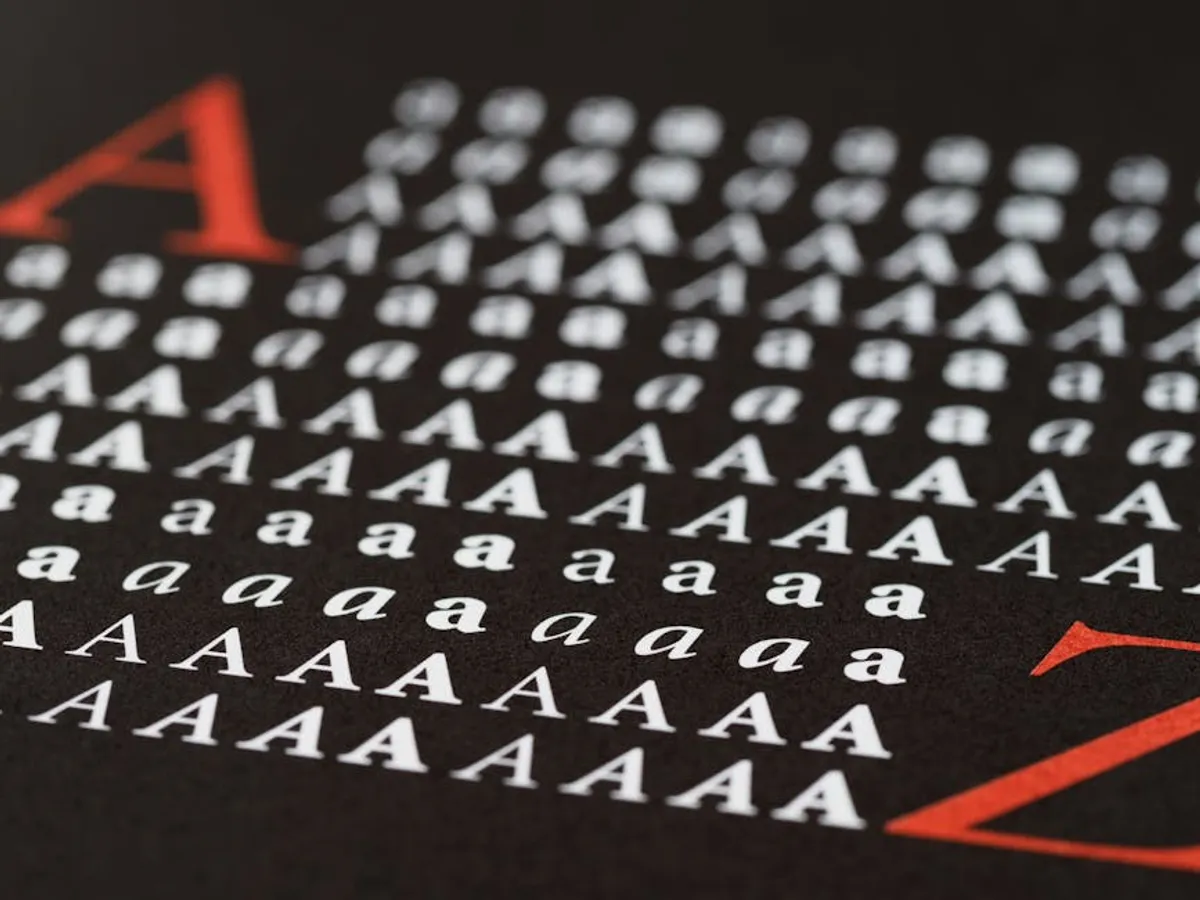
The core of an italic font generator lies in Unicode, a universal character encoding standard that assigns a unique number to every character across all languages and scripts. Within Unicode, there are dedicated blocks for "Mathematical Alphanumeric Symbols" (U+1D400 to U+1D7FF). These blocks contain italic, bold, bold-italic, script, and Fraktur versions of Latin and Greek letters. When you type "hello" into a generator, it doesn't apply a style; it finds and substitutes each letter with its corresponding Unicode mathematical italic character, such as '𝒽' (U+1D45F) for 'h', '𝑒' (U+1D452) for 'e', and so on. This character substitution is why the text appears italicized on most modern devices and platforms.
How It Works: Character Mapping and Display
The process is straightforward from a user perspective: you input plain text, and the generator instantly provides an output string of Unicode characters. Behind the scenes, a script performs a direct character-for-character mapping. Each standard ASCII letter or number you type is replaced with its Unicode italic counterpart. For example, the letter 'A' (U+0041) might be replaced by '𝐴' (U+1D608) from the Mathematical Italic Capital A. This conversion is why the resulting text can be copied and pasted into almost any text field that supports Unicode, retaining its italic appearance.
However, the display of these characters is ultimately dependent on the fonts installed on the user's device and the platform's rendering capabilities. Most modern operating systems and browsers have extensive Unicode font support, ensuring consistent display. Older systems or niche applications might display a "tofu" (a square box) if they lack the necessary glyphs for a specific Unicode character range. This variability necessitates testing generated text on target platforms before widespread deployment.
Pro Tip: While visually effective, text generated using Unicode italic characters is not semantically italic. Search engines and screen readers interpret these as distinct, non-standard characters, not as emphasized text. For accessibility and SEO, always use standard HTML
<em>or CSSfont-style: italic;for true semantic emphasis on web pages. Reserve Unicode italics for platforms where these native styling options are unavailable, and use them sparingly for visual flair rather than critical information.
Key Considerations for Commercial Use
Deploying italic generated text in commercial contexts requires careful consideration of its impact on readability, accessibility, and overall brand perception.
- Social Media Engagement: Italic text can make social media bios, post captions, or ad snippets stand out in crowded feeds. This visual differentiation can increase click-through rates or draw attention to key calls to action on platforms like Instagram, Facebook, or LinkedIn, where native text styling is limited.
- Marketing Material Distinction: For email subject lines or short-form ad copy where rich text editors are absent, generated italics can add a layer of sophistication or emphasis, helping to break through noise.
- User-Generated Content: On forums, comment sections, or messaging apps that support Unicode, users can employ these generators to personalize their messages or highlight specific points, fostering a more dynamic communication environment.
- Readability and Accessibility Concerns: While visually distinct, long passages of generated italic text can be harder to read for some users, particularly those with visual impairments. Screen readers may struggle to interpret these characters correctly, potentially reading them as individual symbols or mispronouncing words, which degrades the user experience for assistive technology users.
- SEO Impact: Search engines do not recognize Unicode italic characters as a signal for emphasis in the same way they do HTML
<em>tags. Using them in critical on-page content will not provide an SEO boost and could potentially be seen as keyword stuffing if used excessively and unnaturally. Their primary SEO utility is indirect, through improved click-through rates on social media profiles or snippets that appear in search results. - Platform Compatibility and Display: Always test generated italic text across various devices, browsers, and social media platforms. Some older systems or specific fonts may not render all Unicode characters correctly, leading to broken or inconsistent displays ("tofu" boxes). Inconsistent rendering can undermine a professional brand image.
Optimizing Your Italic Text Usage
For marketers and content creators, the strategic application of italic generated text can enhance visual appeal without compromising clarity or accessibility. Prioritize brevity and impact. Use it to highlight a single word, a short phrase, or a key statistic within a larger block of plain text. This approach ensures the italicized element draws attention effectively without creating readability fatigue. Always verify how the text appears on your target platforms immediately after pasting it. If it looks inconsistent or broken, it's best to revert to plain text. Integrating this tool into a broader content strategy means understanding its limitations as much as its benefits, ensuring that visual flair serves, rather than detracts from, your message's core purpose and accessibility goals.
Frequently Asked Questions
Is italic text from a generator good for SEO?
No, italic text generated via Unicode characters has no direct positive SEO impact on content ranking. Search engines interpret these as distinct characters, not as semantic emphasis. For SEO, use standard HTML <em> or <i> tags.
Can screen readers understand italic generated text?
Screen readers often struggle with Unicode italic characters, potentially reading them incorrectly or as a sequence of unrelated symbols. This can significantly hinder accessibility for visually impaired users. It is not recommended for essential content.
Are these "fonts" real fonts?
No, these are not traditional font files. An italic font generator converts standard text into specific Unicode characters that visually resemble italicized letters. These characters are part of the Unicode standard, not custom font files.
Where is the best place to use italic generated text?
It is best used in environments that lack native rich text formatting, such as social media bios, short social posts, ad copy snippets, or messaging apps, for brief emphasis or visual distinction. Avoid using it for long passages or critical information.