
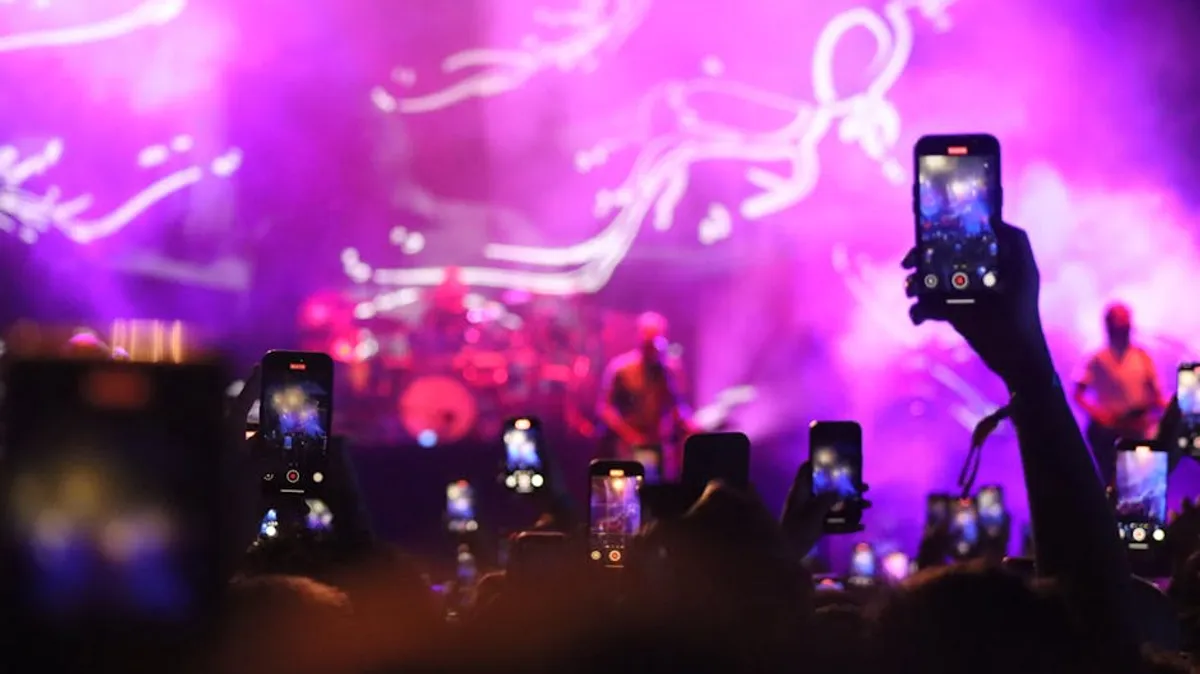
African music festivals represent dynamic cultural touchpoints, offering more than just entertainment; they are significant indicators of emerging trends, audience engagement, and cultural narratives across the continent. For SEO professionals, content strategists, and marketing agencies, understanding these events provides a unique lens into diverse consumer segments, content opportunities, and potential partnership avenues. This isn't merely about identifying popular gatherings, but about recognizing strategic platforms that generate substantial digital footprint, influence local and international conversations, and shape musical tastes. Each festival presents distinct characteristics, from genre focus and geographic reach to audience demographics and digital presence, all of which are critical factors when considering content amplification, trend analysis, or targeted outreach efforts. Evaluating these festivals requires a strategic approach, moving beyond surface-level attendance figures to assess their commercial relevance and potential for sustained engagement.
Identifying Key Festivals for Strategic Engagement
Selecting which African music festivals to "follow" strategically involves criteria beyond just musical preference. Consider the festival's digital footprint, including its social media engagement metrics, content virality, and consistent media coverage. Evaluate the primary audience demographics it attracts – age groups, geographic origins, and socio-economic profiles – as these dictate potential content angles and marketing alignment. Assess the consistency and longevity of the festival; established events often offer more reliable data and predictable patterns for trend analysis. Furthermore, look at the unique cultural or artistic narratives each festival champions. Events that strongly represent a specific genre, region, or cultural movement tend to generate more distinct and valuable content streams. The potential for unique storytelling, artist discovery, and community interaction should guide your selection, ensuring that the insights gained are actionable for content creation, SEO keyword research, and audience segmentation. For those new to the scene, consider this a beginner's guide to African festivals that will help you navigate the landscape.
1. Cape Town International Jazz Festival
The Cape Town International Jazz Festival stands as a premier cultural event in South Africa, drawing a sophisticated audience with its blend of international and local jazz, R&B, and soul acts. Positioned as "Africa's Grandest Gathering," it consistently attracts over 30,000 attendees annually, boasting a strong legacy and high production values. Its urban setting and established reputation make it a significant platform for artists and a magnet for a diverse, often affluent, demographic.
Best for: Brands targeting mature, culturally discerning audiences interested in premium experiences, or content creators focusing on music history, jazz culture, and international artistic collaboration.
Pros:
- Established reputation and consistent annual scheduling ensure reliable content opportunities.
- High-caliber artist lineup generates significant international media attention and digital buzz.
- Diverse audience demographics offer broad content appeal and partnership potential.
- Strong digital presence across social media and news outlets facilitates trend monitoring.
Cons:
- Niche genre focus (jazz) may limit broader mainstream appeal for some content strategies.
- High ticket prices and premium positioning might exclude younger, budget-conscious demographics.
- Competition for content capture can be high due to extensive media presence.
Verdict: A reliable anchor for content strategies focused on sophisticated audiences and premium cultural experiences, offering consistent, high-quality engagement opportunities around jazz and related genres.
2. Felabration
Felabration is an annual music festival in Lagos, Nigeria, dedicated to celebrating the life and legacy of Afrobeat pioneer Fela Kuti. It typically runs for a week, culminating on Fela's birthday, drawing hundreds of thousands of attendees to various venues. The festival is deeply rooted in Nigerian culture and political consciousness, featuring a mix of established and emerging Afrobeat artists, as well as international acts influenced by Kuti's work. Its raw, authentic energy is a key differentiator.
Best for: Content creators and brands focused on African music heritage, Afrobeat culture, social commentary through music, and engaging a large, passionate Nigerian and diaspora audience.
Pros:
- Immense cultural significance ensures consistent, high-volume social media and news coverage.
- Deep connection to Afrobeat genre provides a rich vein for niche content and historical narratives.
- Attracts a massive, highly engaged local audience, offering significant organic reach in Nigeria.
- Authentic, grassroots feel provides unique storytelling opportunities distinct from commercialized events.
Cons:
- Less structured digital content output compared to internationally funded festivals.
- Primary focus on Afrobeat might limit appeal for broader genre-agnostic campaigns.
- Logistical challenges for on-site content teams due to the decentralized nature of events.
Verdict: Indispensable for capturing the pulse of West African music culture and Afrobeat trends, providing unparalleled access to a highly engaged, culturally aware audience.
3. Sauti za Busara
Held annually in Stone Town, Zanzibar, Sauti za Busara translates to "Sounds of Wisdom" and focuses exclusively on African music. It is renowned for showcasing traditional and contemporary African sounds, often featuring artists from across the continent who perform without backing tracks. The festival's picturesque setting and commitment to cultural preservation make it a unique proposition, attracting a diverse audience of locals, regional visitors, and international tourists interested in authentic African experiences.
Best for: Marketers targeting cultural tourism, world music enthusiasts, and content creators focusing on indigenous African sounds, cultural fusion, and ethical travel narratives.
Pros:
- Strong emphasis on authentic African music offers unique, high-quality audio-visual content.
- Picturesque, historic setting provides compelling visual backdrops for storytelling.
- Attracts a global audience interested in cultural immersion, expanding content reach.
- Consistent commitment to African artists ensures a steady stream of unique talent discovery.
Cons:
- Smaller scale compared to commercial festivals, potentially limiting sheer volume of digital mentions.
- Niche focus on traditional African music may not resonate with all mainstream audiences.
- Geographic location in Zanzibar can present logistical considerations for on-site presence.
Verdict: A crucial event for deep dives into African musical heritage and cultural tourism, offering rich, authentic content for niche audiences and ethical brand narratives.
4. Gnaoua World Music Festival
The Gnaoua World Music Festival in Essaouira, Morocco, is a vibrant celebration of Gnaoua music, a spiritual and hypnotic genre, often fused with jazz, blues, and other world music forms. Attracting over 500,000 attendees, it is one of the largest festivals in Africa, transforming the coastal city into a massive open-air stage. Its unique blend of ancient traditions and contemporary sounds has garnered significant international acclaim and media attention. This festival is a prime example of the vibrant Afro fusion music trends that are captivating global audiences.
Best for: Brands and content creators interested in cultural fusion, spiritual music, large-scale public events, and targeting audiences in North Africa and Europe with an interest in world music.
Pros:
- Massive attendance numbers ensure high visibility and broad digital impact.
- Unique Gnaoua music genre offers distinctive content that stands out.
- Strong international media coverage and artist collaborations amplify global reach.
- Picturesque coastal city setting provides visually appealing content opportunities.
Cons:
- Overwhelming crowd sizes can make on-site content capture challenging.
- Specific genre focus, while unique, might require targeted audience understanding.
- Logistical complexities due to the scale and popularity of the event.
Verdict: A high-impact festival for broad audience engagement and unique cultural storytelling, particularly strong for content around world music fusion and large-scale cultural events.
5. Afro Nation Ghana
Afro Nation Ghana is the African iteration of a globally recognized festival brand, specializing in Afrobeats, Hip Hop, R&B, Dancehall, Amapiano, and other contemporary African sounds. Held in Accra, it draws a significant international crowd, particularly from the diaspora, alongside a strong local following. It's known for its high production values, celebrity artist lineups, and its role as a key event in the "Year of Return" and "Beyond the Return" initiatives, positioning Ghana as a cultural hub.
Best for: Brands targeting youth culture, contemporary African music trends, diaspora engagement, and high-energy, aspirational lifestyle content.
Pros:
- Global brand recognition ensures high international media coverage and social media engagement.
- Focus on popular contemporary genres like Afrobeats guarantees broad youth appeal.
- Strong connection to diaspora communities offers unique content angles for cultural identity.
- High production quality provides polished, shareable visual and audio content.
Cons:
- Highly commercialized nature may limit opportunities for truly unique, grassroots content.
- Competition for attention is fierce due to numerous high-profile artists and attendees.
- Ticket prices can be a barrier for some local demographics, impacting overall audience diversity.
Verdict: An essential festival for capturing contemporary African music trends and diaspora engagement, offering high-visibility content opportunities for brands targeting a global youth audience.
6. Nyege Nyege Festival
Nyege Nyege Festival, held annually in Uganda, has rapidly gained international acclaim for its focus on experimental electronic music, traditional African sounds, and avant-garde performances. It champions underground artists from across Africa, creating a vibrant, immersive experience often described as raw and boundary-pushing. The festival has cultivated a reputation for discovering new talent and showcasing innovative musical directions.
Best for: Content creators and brands interested in emerging music trends, experimental electronic genres, African youth subcultures, and narratives around artistic innovation and discovery.
Pros:
- Strong reputation for identifying and promoting cutting-edge African electronic artists.
- Cult-like following generates highly engaged, niche content and community discussions.
- Unique, immersive atmosphere provides compelling visual and experiential content.
- Less commercialized, allowing for more authentic and discovery-oriented content narratives.
Cons:
- Niche music genres may not appeal to a mainstream audience, limiting broad reach.
- Logistical challenges due to its remote location and often rustic setup.
- Digital presence, while growing, might require more proactive engagement for trend spotting.
Verdict: A vital festival for tracking emerging African electronic music and youth subcultures, offering rich, authentic content for niche audiences and innovative brand storytelling.
7. Mawazine
Mawazine, held in Rabat, Morocco, is one of the world's largest music festivals, attracting over two million attendees. It features an incredibly diverse lineup of international superstars alongside leading African and Arab artists across multiple stages. The festival is a massive cultural event, sponsored by the Moroccan royal family, and offers free access to most concerts, making it highly accessible and impactful on a national scale.
Best for: Marketers seeking massive public engagement, broad demographic reach, and content opportunities around global music trends, cultural diplomacy, and large-scale event management.
Pros:
- Unparalleled attendance figures guarantee immense public and digital visibility.
- Diverse lineup of global and regional stars ensures broad appeal and extensive media coverage.
- Free access to most stages fosters widespread local engagement and cultural impact.
- Strong governmental backing provides stable funding and high production standards.
Cons:
- Overwhelming scale makes targeted content capture and audience segmentation challenging.
- Highly commercialized environment may dilute opportunities for unique, grassroots narratives.
- Competition for media attention is extremely high due to the sheer number of acts and attendees.
Verdict: An undeniable powerhouse for sheer scale and reach, offering vast content potential for brands aiming for broad public engagement and global trend alignment, especially within the MENA region.
8. Festival International de Jazz de Saint-Louis
The Festival International de Jazz de Saint-Louis, held in the historic city of Saint-Louis, Senegal, is one of Africa's oldest and most respected jazz festivals. It brings together international and West African jazz musicians, creating a unique fusion of sounds in a UNESCO World Heritage site. The festival's intimate atmosphere and focus on musical excellence distinguish it from larger, more commercial events, attracting a dedicated audience of jazz aficionados and cultural tourists.
Best for: Content creators and brands targeting jazz enthusiasts, cultural tourism, West African heritage, and narratives around musical collaboration and artistic purity.
Pros:
- Long-standing heritage and reputation lend credibility and attract established artists.
- Unique setting in a historic city provides compelling visual and narrative content.
- Strong focus on jazz offers rich, specific content for niche audiences.
- Intimate atmosphere allows for deeper engagement with artists and attendees.
Cons:
- Smaller scale limits overall digital footprint compared to mass-market festivals.
- Niche genre (jazz) may not appeal to a broad mainstream audience.
- Logistical challenges associated with travel to a historic, less-developed region.
Verdict: A valuable festival for deep engagement with jazz culture and West African heritage, providing high-quality, niche content for discerning audiences and cultural tourism initiatives.
9. MTN Bushfire Festival
MTN Bushfire Festival, located in the Malkerns Valley of Eswatini (formerly Swaziland), is a renowned multi-disciplinary arts festival with a strong social mandate. It champions the "Bring Your Fire" ethos, promoting social responsibility and environmental awareness alongside a diverse lineup of African and international music, art, and performance. Its commitment to sustainability and community development makes it more than just a music event, attracting a conscious, engaged audience.
Best for: Brands focused on social impact, sustainability, ethical consumption, and content creators exploring the intersection of music, art, and community development in Southern Africa.
Pros:
- Strong social mission and ethical branding resonate with conscious consumers.
- Diverse artistic program offers varied content opportunities beyond just music.
- Attracts an engaged audience interested in sustainability and community initiatives.
- Unique location and intimate setting provide distinct visual and narrative content.
Cons:
- Smaller scale and less mainstream appeal compared to larger commercial festivals.
- Geographic location in Eswatini may present logistical challenges for international teams.
- Content focus requires alignment with social impact narratives to be most effective.
Verdict: An excellent festival for brands and content creators seeking to align with social responsibility and sustainable practices, offering authentic narratives and engaged audience interaction.
10. Azgo Festival
Azgo Festival, held in Maputo, Mozambique, is a vibrant celebration of contemporary African music and arts. It aims to showcase local and regional talent alongside international acts, fostering cultural exchange and promoting Mozambican identity. The festival is known for its energetic atmosphere and commitment to providing a platform for emerging artists, making it a key event for tracking new sounds from Southern Africa.
Best for: Content creators interested in emerging artists, Lusophone African music, contemporary urban culture in Southern Africa, and narratives around artistic discovery.
Pros:
- Strong focus on contemporary African music, particularly from Lusophone Africa, offers unique content.
- Provides a platform for emerging artists, allowing for early trend identification.
- Energetic urban setting in Maputo provides a dynamic backdrop for visual content.
- Growing international recognition, offering increasing reach for content.
Cons:
- Smaller scale compared to established global festivals, limiting immediate digital impact.
- Less established international media presence requires more proactive content amplification.
- Logistical considerations for international teams operating in Mozambique.
Verdict: A valuable festival for discovering new African talent and tracking contemporary music trends, especially from Lusophone Africa, providing authentic content for engaged, niche audiences.
11. Vic Falls Carnival
The Vic Falls Carnival, held annually over New Year's Eve at the iconic Victoria Falls in Zimbabwe, combines music, adventure, and breathtaking natural beauty. It features a diverse lineup of African and international DJs and live acts, attracting a significant number of regional and international tourists. The unique setting and celebratory atmosphere make it a high-energy event with strong appeal for travel and lifestyle content.
Best for: Brands targeting adventure tourism, youth travel, New Year's Eve celebrations, and content creators focusing on destination marketing and high-energy lifestyle experiences.
Pros:
- Iconic Victoria Falls location provides unparalleled visual content opportunities.
- New Year's Eve timing ensures high celebratory energy and significant social media buzz.
- Attracts a strong regional and international tourist demographic, expanding content reach.
- Combines music with adventure activities, offering diverse content angles.
Cons:
- Seasonal nature (New Year's) limits year-round content opportunities.
- Focus on party atmosphere might not align with all brand narratives.
- Logistical complexities associated with a remote, tourist-heavy location.
Verdict: An excellent festival for high-impact, visually driven content around adventure travel and celebratory experiences, particularly strong for destination marketing and youth-oriented campaigns.
12. Blankets & Wine
Blankets & Wine is a popular music festival concept originating in Nairobi, Kenya, now also held in other East African cities. It's known for its relaxed, picnic-style atmosphere, showcasing live music primarily from East Africa and across the continent, with a focus on neo-soul, alternative, and Afro-fusion genres. It targets a sophisticated, urban, and upwardly mobile audience, often families and young professionals, making it a significant cultural and lifestyle event.
Best for: Brands targeting urban professionals, families, and lifestyle content in East Africa, focusing on contemporary African music, fashion, and social gatherings.
Pros:
- Strong appeal to urban, affluent demographics in East Africa, offering targeted reach.
- Relaxed, family-friendly atmosphere provides diverse content angles beyond just music.
- Focus on contemporary African sounds ensures relevance to current trends.
- Consistent scheduling across multiple cities (e.g., Nairobi, Kampala) offers broader regional impact.
Cons:
- Less emphasis on international headliners compared to larger festivals, potentially limiting global reach.
- "Picnic" format might not generate the same high-energy, viral content as dance festivals.
- Audience demographics, while valuable, are more niche than mass-market events.
Verdict: A crucial festival for engaging urban East African audiences with lifestyle and contemporary music content, offering consistent, high-quality opportunities for brand alignment and trend spotting.
Leveraging Festival Insights for Content and SEO
Following these African music festivals goes beyond mere attendance; it's about extracting actionable intelligence. Analyze the social media conversations around each event to identify trending artists, popular genres, and audience sentiment. Monitor search queries related to festival lineups, travel, and cultural experiences to inform keyword strategies for content creation. Observe the types of content that perform best – whether it's artist interviews, behind-the-scenes footage, cultural explainers, or travel guides – to tailor your own output. For agencies, this means identifying potential brand alignment opportunities, understanding consumer behavior patterns in specific regions, and uncovering niche communities that can be targeted with relevant content. The longevity and consistency of a festival often correlate with the reliability of its data, allowing for more accurate trend forecasting and content planning. Use these insights to develop evergreen content, plan seasonal campaigns, and even identify emerging talent for future collaborations or endorsements.